Unread Messages

Unread Messages

Rethinking our relationship with technology

Rethinking our relationship with technology

About t

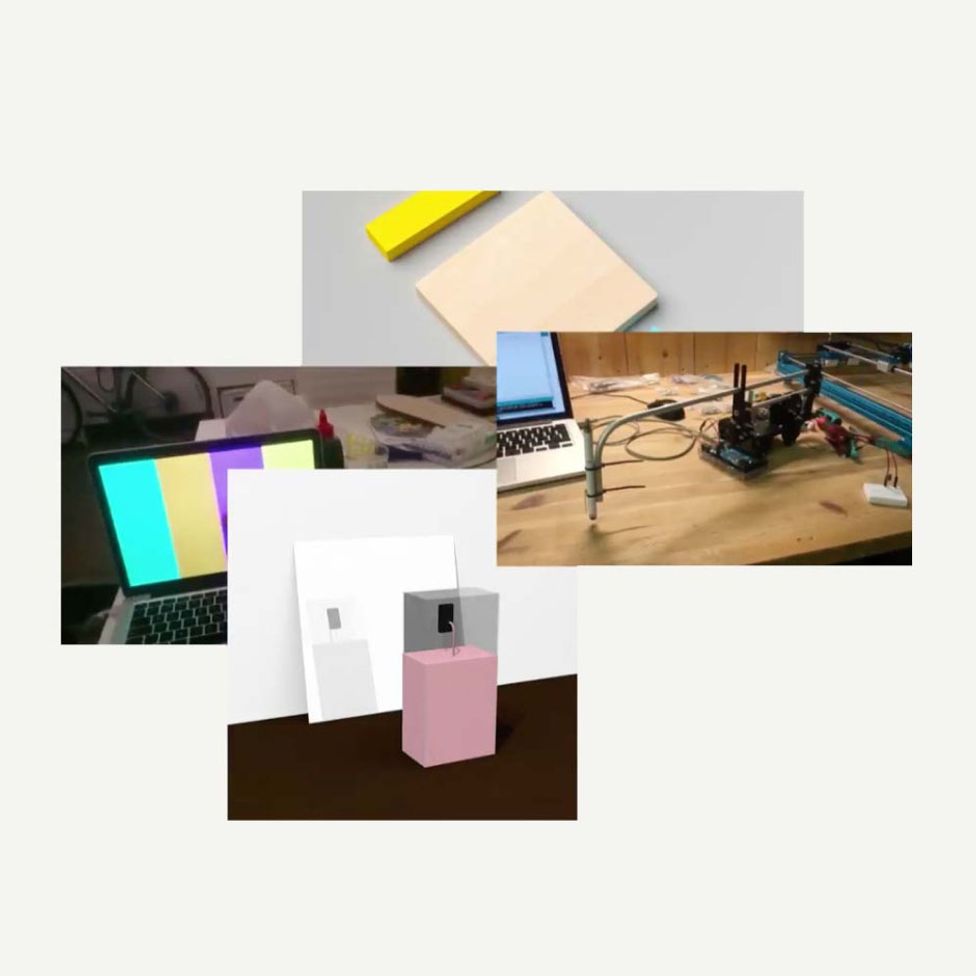
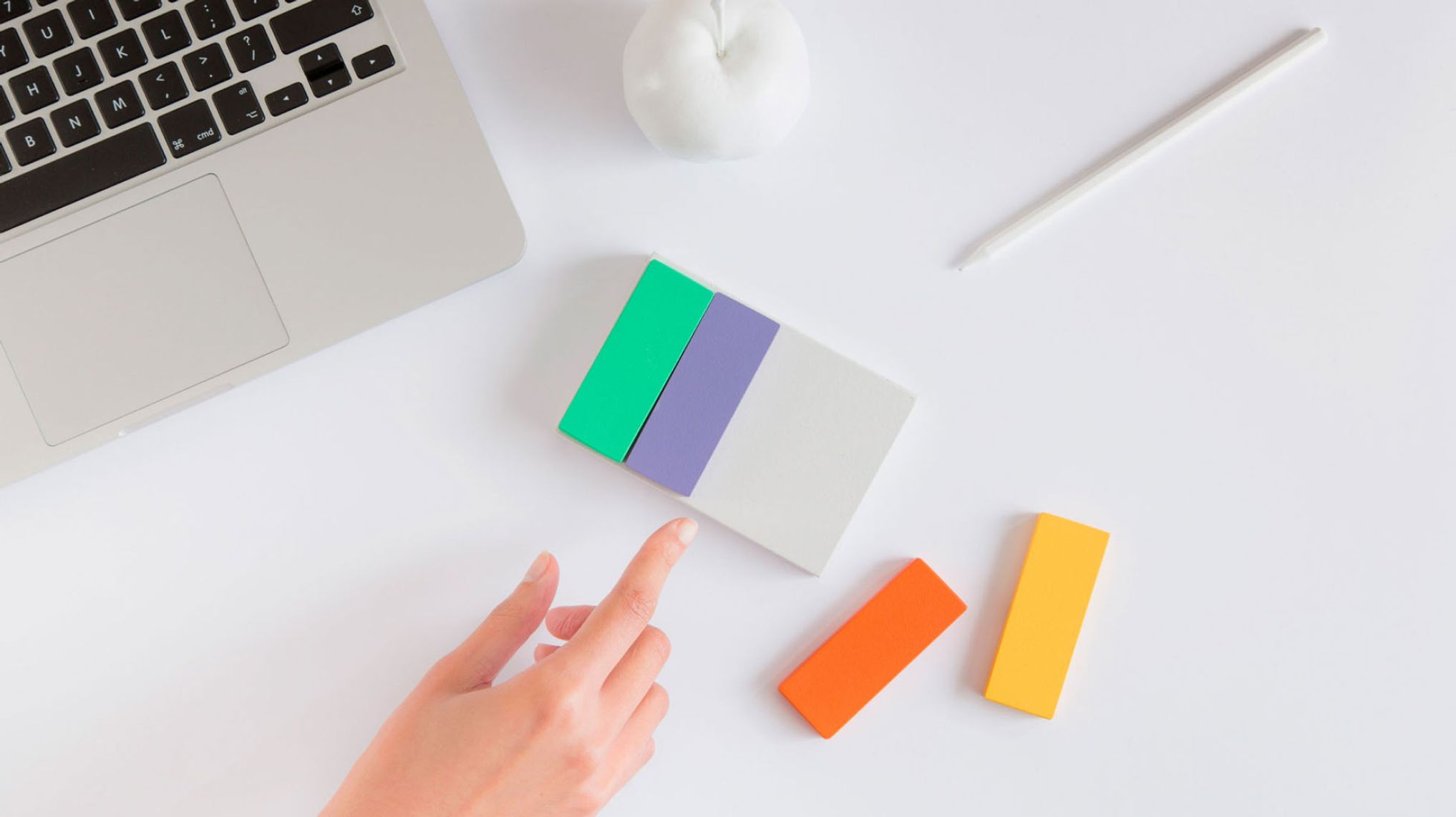
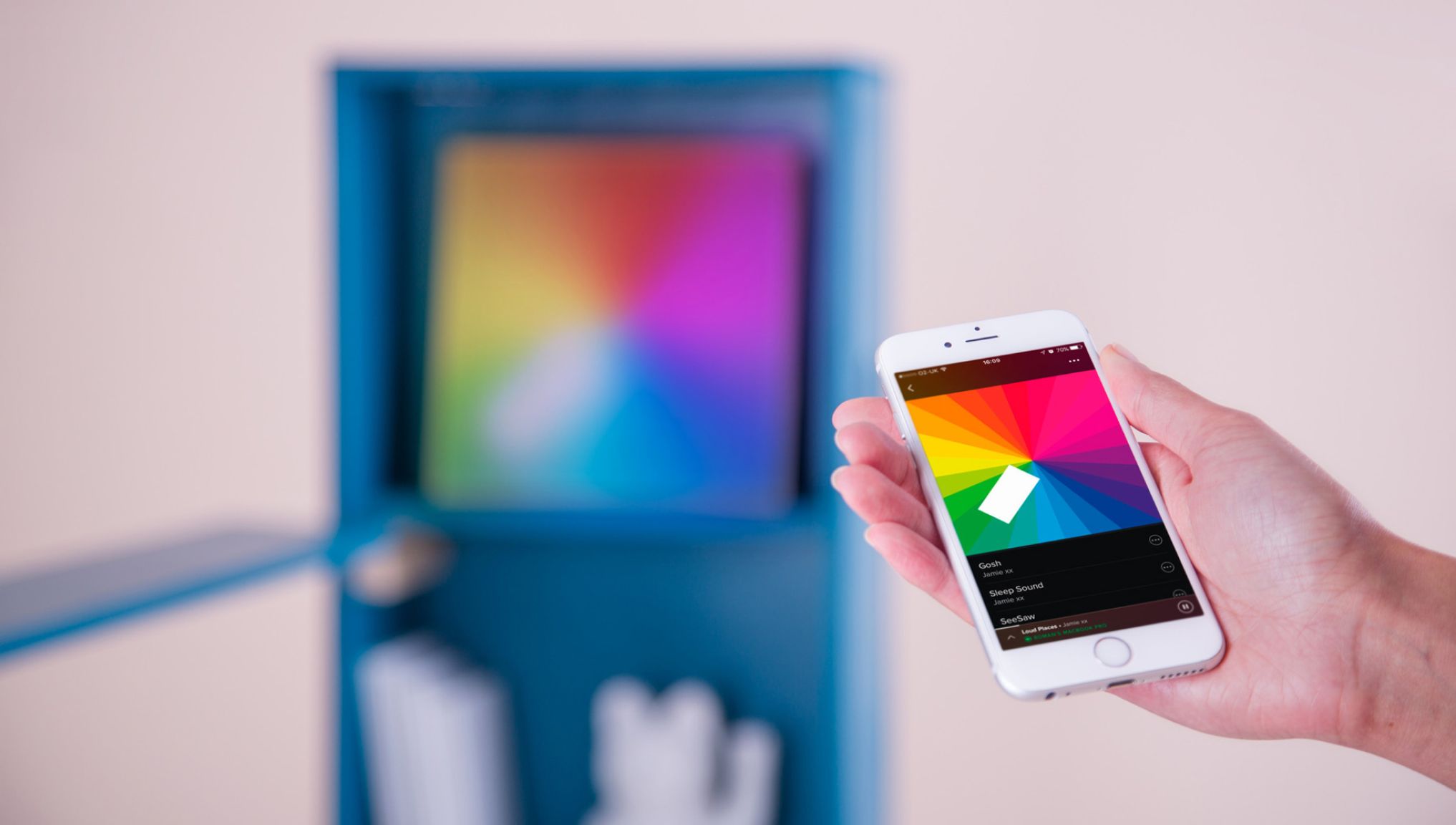
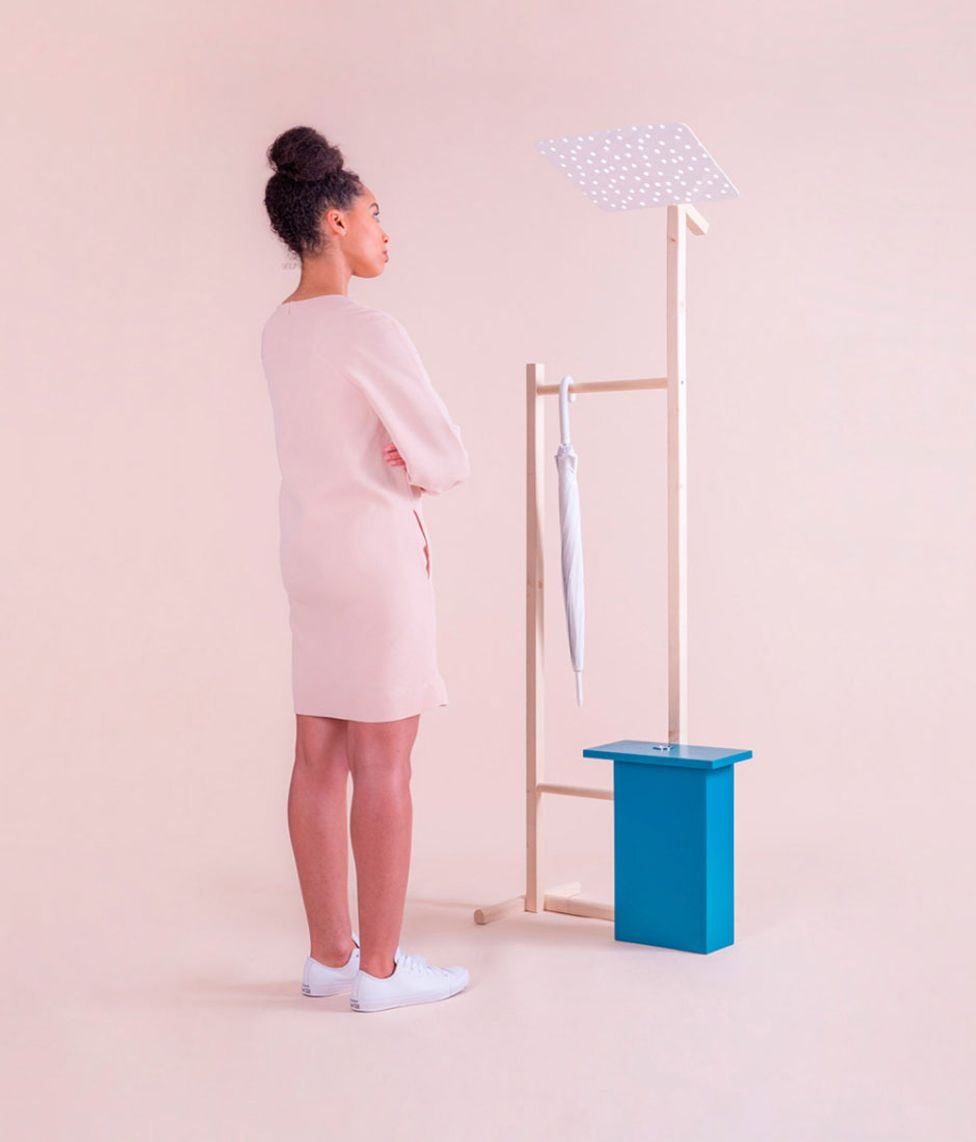
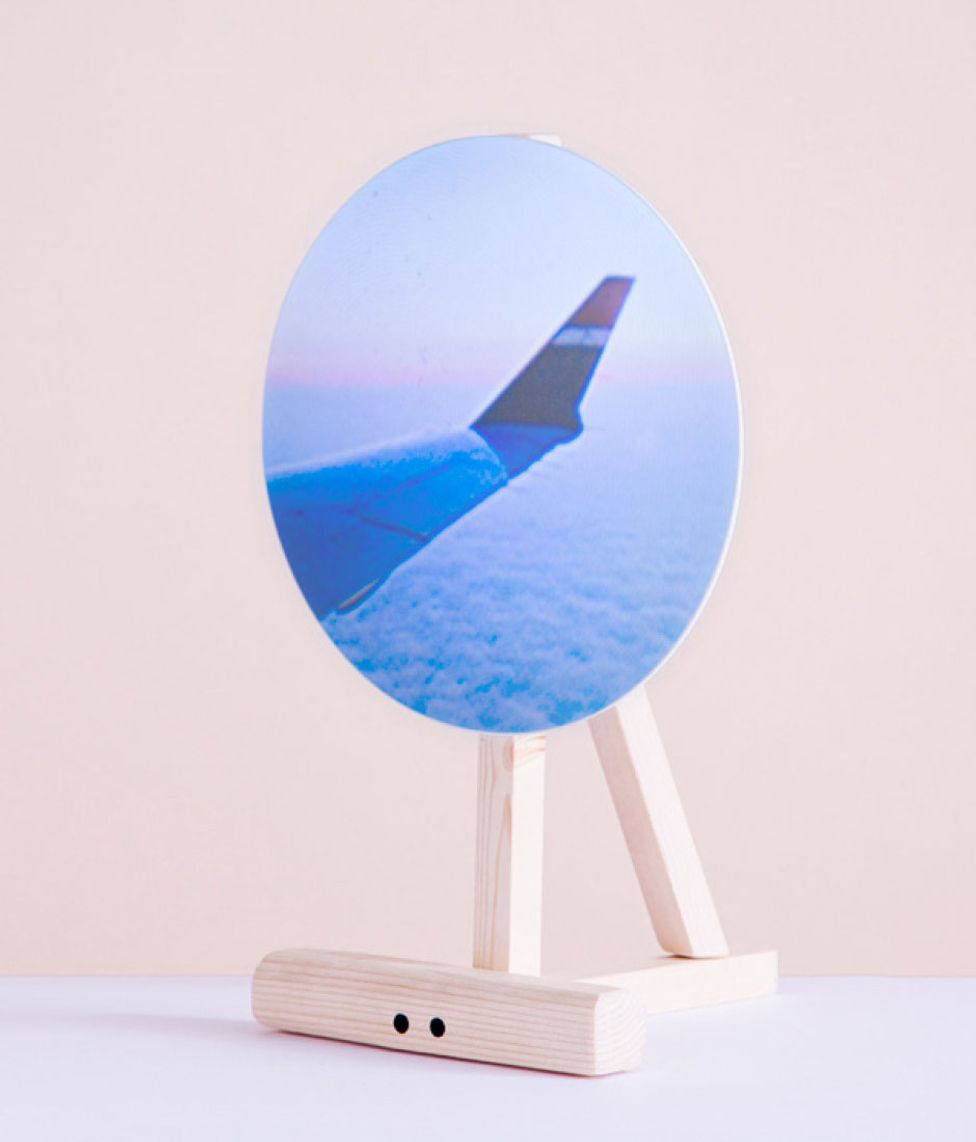
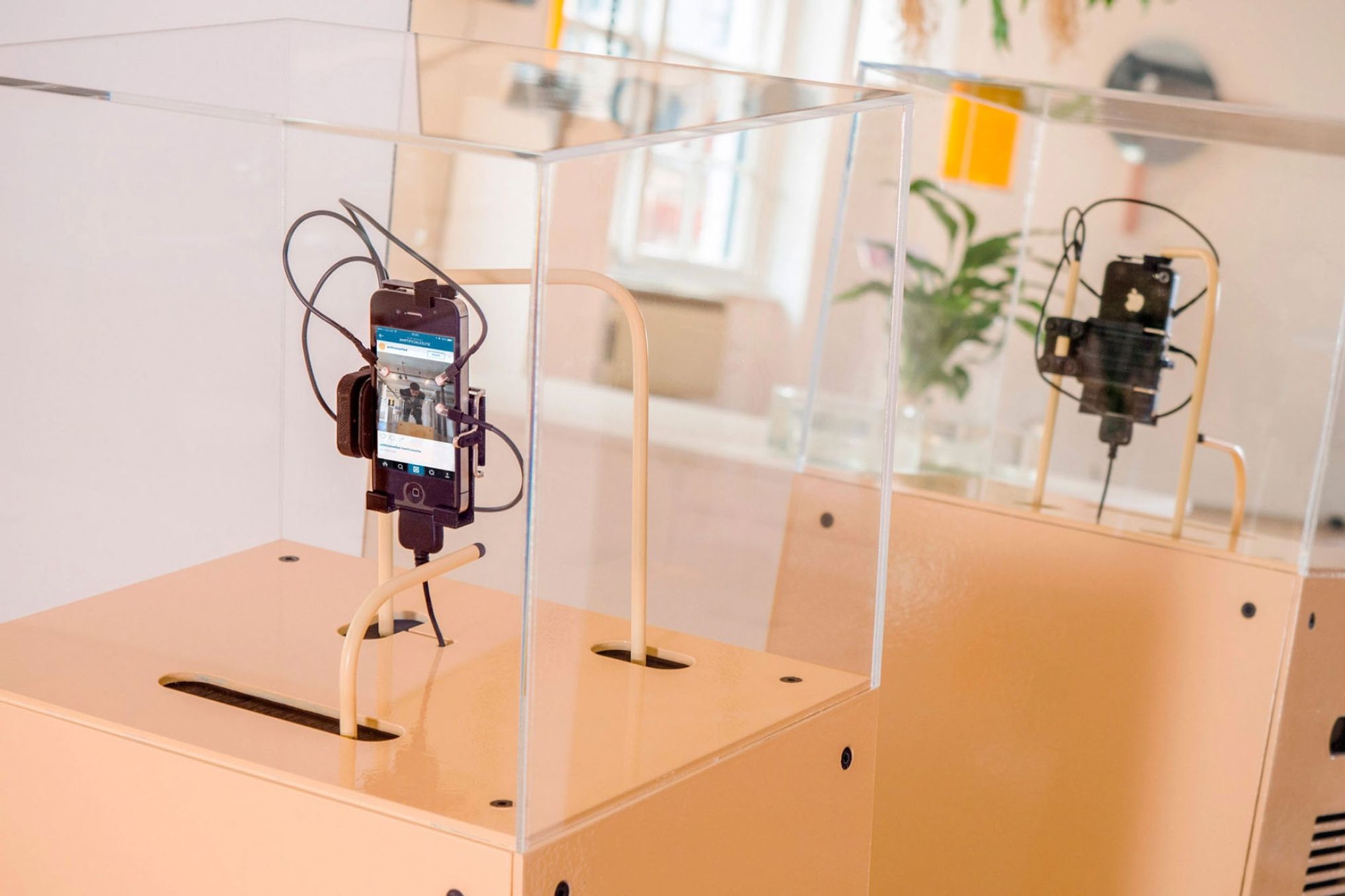
Unread Messages was a design research project exploring the ways in which technology affects how we think, act and behave. Based on primary research with project partner Northstar, I collaborated with a series of international designers to develop products to lead us towards a healthier relationship with technology.

Context

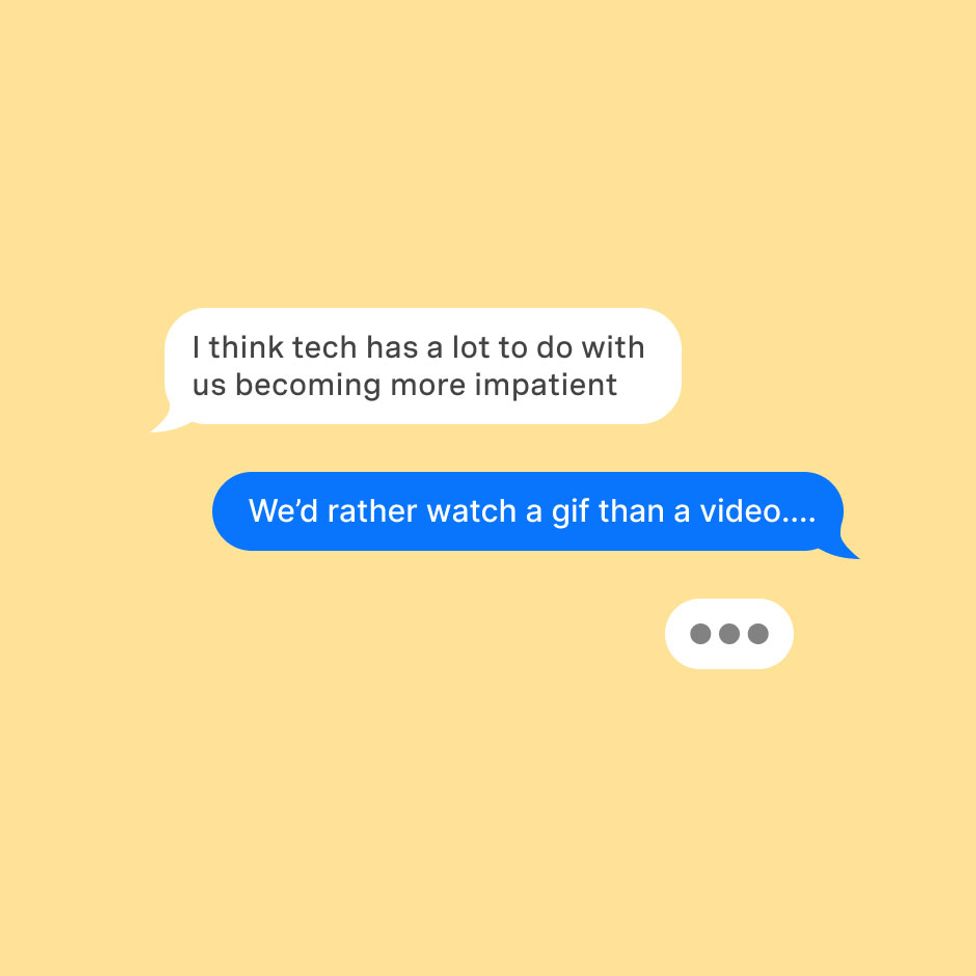
The digitisation of our everyday lives saves us time and brings us closer to the people we love. Yet at the same time, we feel rushed, isolated or enslaved by our devices. The project and resulting exhibition attempted to stimulate discussion amongst designers and the public around the social implications of current and future communication technologies.

Designing for behaviour change

For many, borrowing rather than buying is a new concept. Audience research told us that ease of use was essential for the service to compete with existing options. To bring borrowing to the mainstream, we worked continuously to make the experience effortless.

Making borrowing better

But to make borrowing better, utility alone isn’t enough. Brand principles and product strategy guided the borrower experience from marketing comms, to digital product and spatial design – amplifying the benefits that set borrowing apart from retail.

Scaling up

To take Library of Things from pilot stage to a replicable model, I established systems and processes that have seen the business scale from one to multiple sites across London, with more locations across the UK in the pipeline. Improving the speed of user research decreased the time taken to launch new features, and building design systems allowed brand communications to be managed across a decentralised network.

Scaling up

To take Library of Things from pilot stage to a replicable model, I established systems and processes that have seen the business scale from one to multiple sites across London, with more locations across the UK in the pipeline. Improving the speed of user research decreased the time taken to launch new features, and building design systems allowed brand communications to be managed across a decentralised network.

"Initiatives like Library of Things could change the face, and dynamic, of retail in future years to come."

Forbes

Decision-making power in the hands of platform stakeholders

To build a platform that reflects the needs of it’s users, we made sure the right people had the right level of input, at the right time. This ranged from demand mapping, co-design sessions and testing throughout development to ensure usability.

Decision-making power in the hands of platform stakeholders

To build a platform that reflects the needs of it’s users, we made sure the right people had the right level of input, at the right time. This ranged from demand mapping, co-design sessions and testing throughout development to ensure usability.

Measurable impact

The platform and brand has served as a foundation for growth and impact.

Library of Things has since grown to 34,000 members across 22 locations, saving communities £8.6 million and 1,221 tonnes of carbon.

The platform and brand has served as a foundation for growth and impact.

Library of Things has since grown to 34,000 members across 22 locations, saving communities £8.6 million and 1,221 tonnes of carbon.

The platform and brand has served as a foundation for growth and impact.

Library of Things has since grown to 34,000 members across 22 locations, saving communities £8.6 million and 1,221 tonnes of carbon.

Get in touch

Get in touch

Get in touch