Building the platform to scale regenerative agriculture across Europe
My role
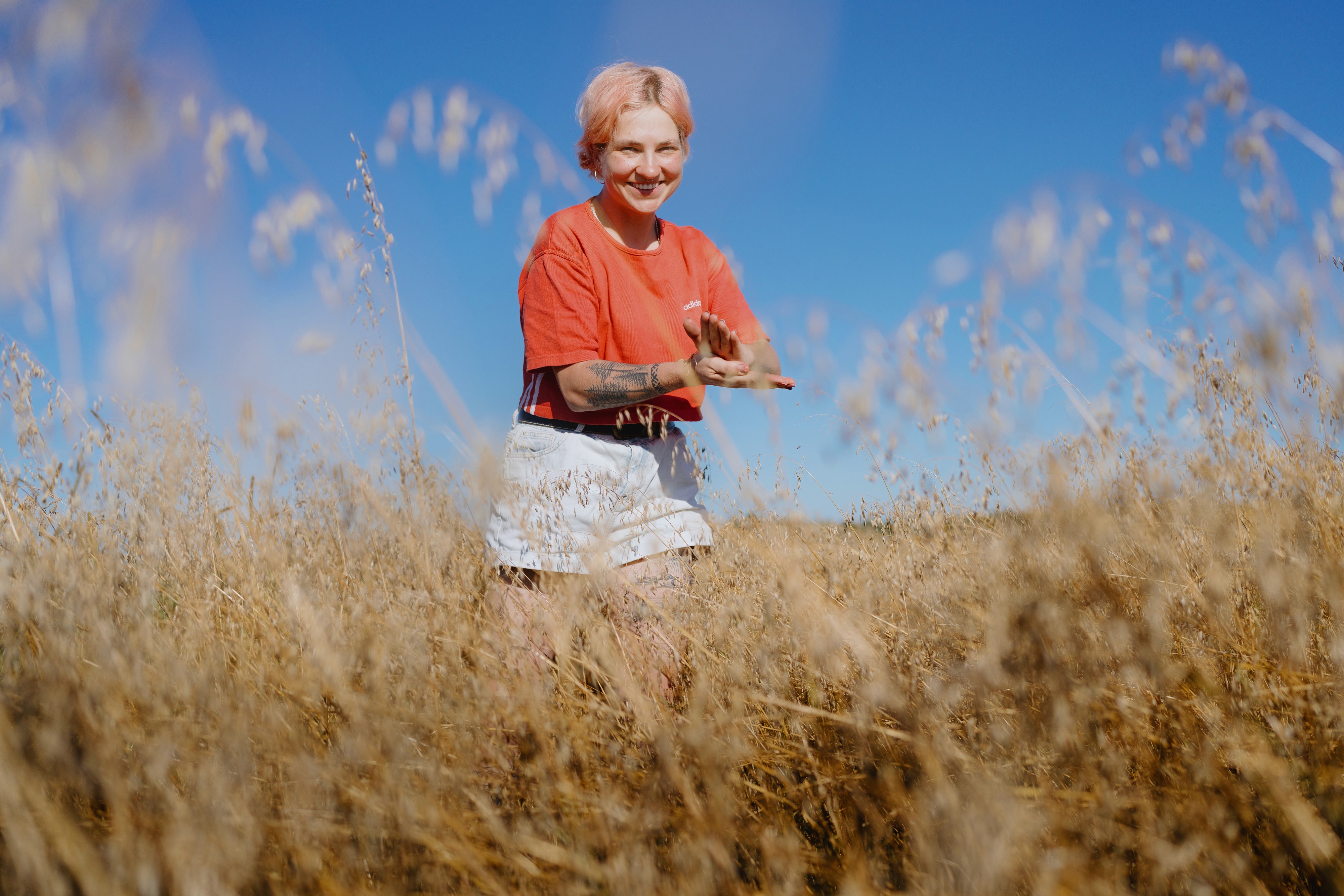
I joined Agreena to use product design to scale regenerative agriculture across Europe, working to align business growth, farmer needs, and environmental impact.
The challenge
Our soils provide 95% of our food and nearly all ecosystem services that enable life on Earth. Yet 75% of global soils are degraded and in the EU, agriculture accounts for approximately 13% of total greenhouse gas emissions.
Farmers face volatile weather, rising input costs and razor-thin margins. Regenerative agriculture offers a path forward, with farming practices that work with nature, rebuilding soil health whilst improving resilience, biodiversity, and profitability.
However, the transition requires new farming knowledge and financial support during a critical period. This is where Agreena steps in.
The opportunity: designing for scale
Agreena's Carbon programme was already enrolling farmers to transition to regenerative agriculture, and the demand was real. But the business model that made it work for large commercial farms created a fundamental growth constraint.
High-touch support worked for large commercial farms, where the economics justified manual support. However, the vast majority of arable farms in Europe operate at smaller scales. These operations couldn't access our offering profitably; we lacked the unit economics to serve them.
This wasn't an operational problem to be solved with efficiency gains. It was a design problem: we needed to fundamentally reimagine how farmers interacted with our platform. By removing friction and enabling self-service across the farmer journey from onboarding, to verification, we could unlock a market significantly larger than our existing serviceable addressable market. The key was transforming from a high-touch service into a scalable, self-serve platform.
The solution: AgreenaGro
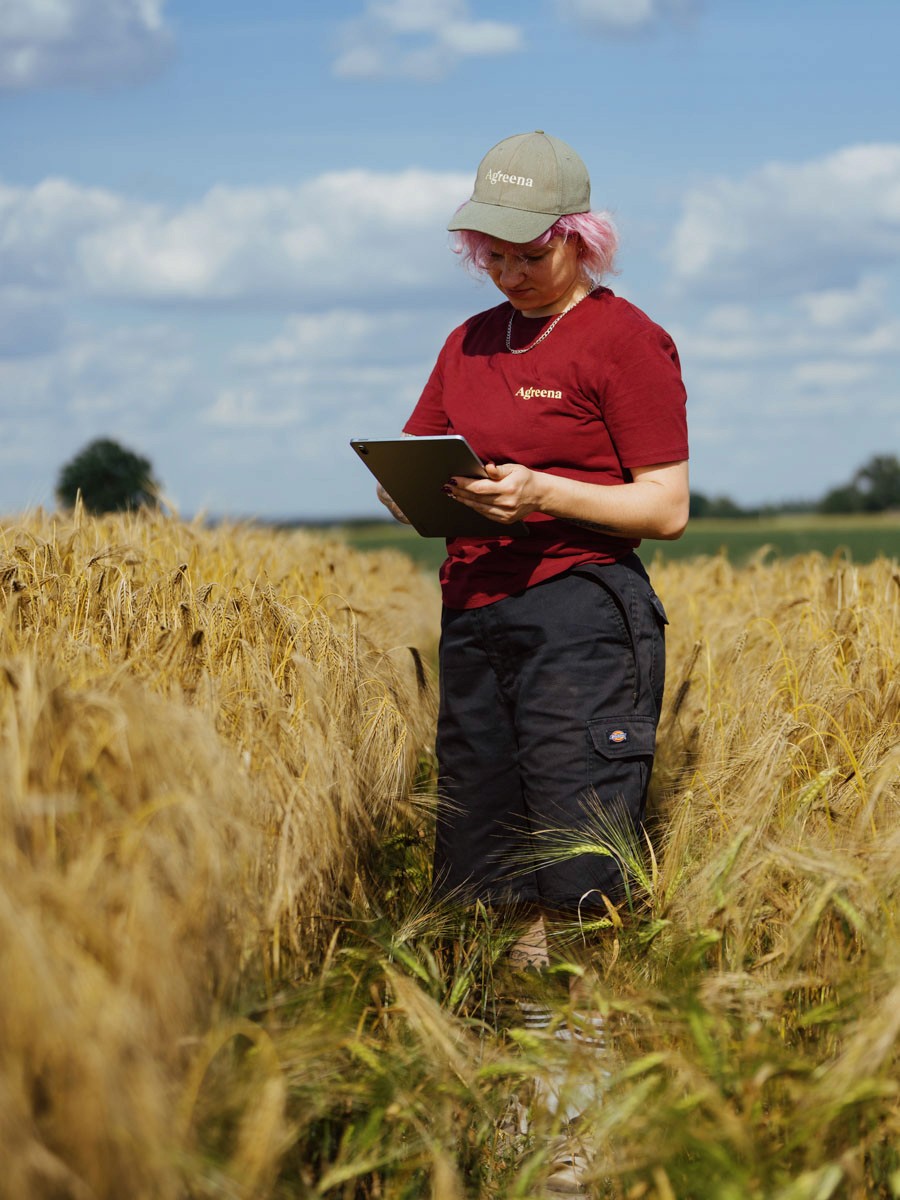
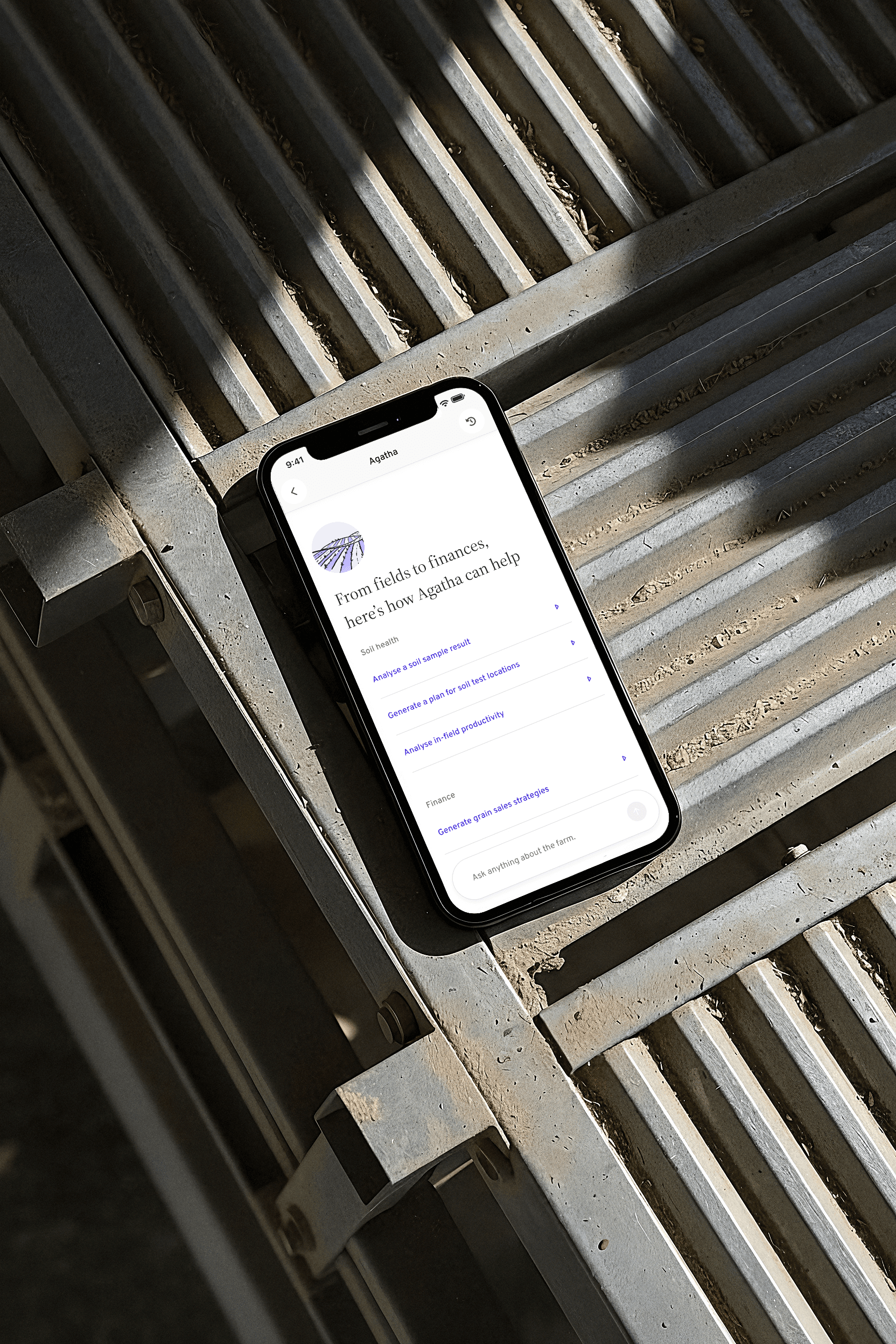
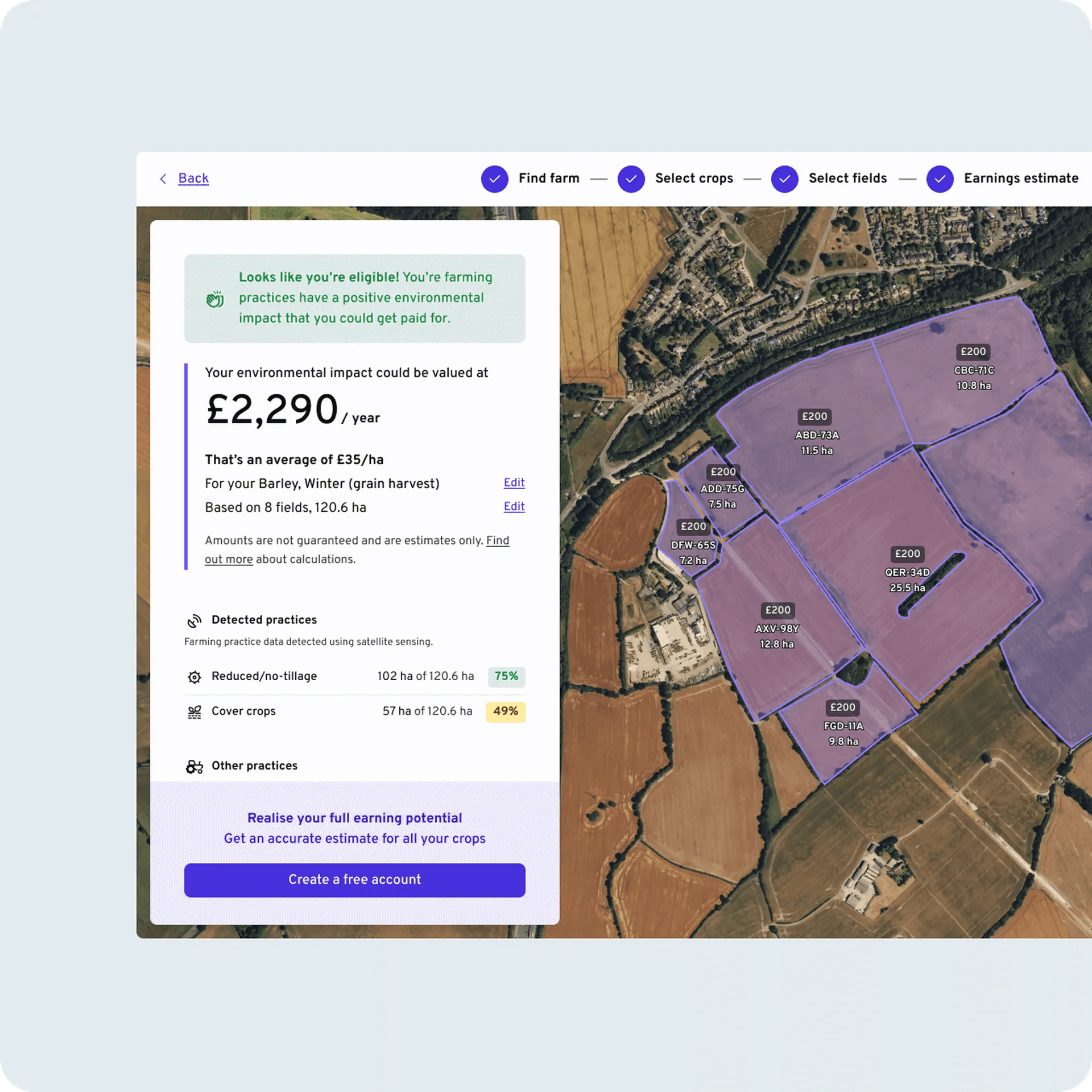
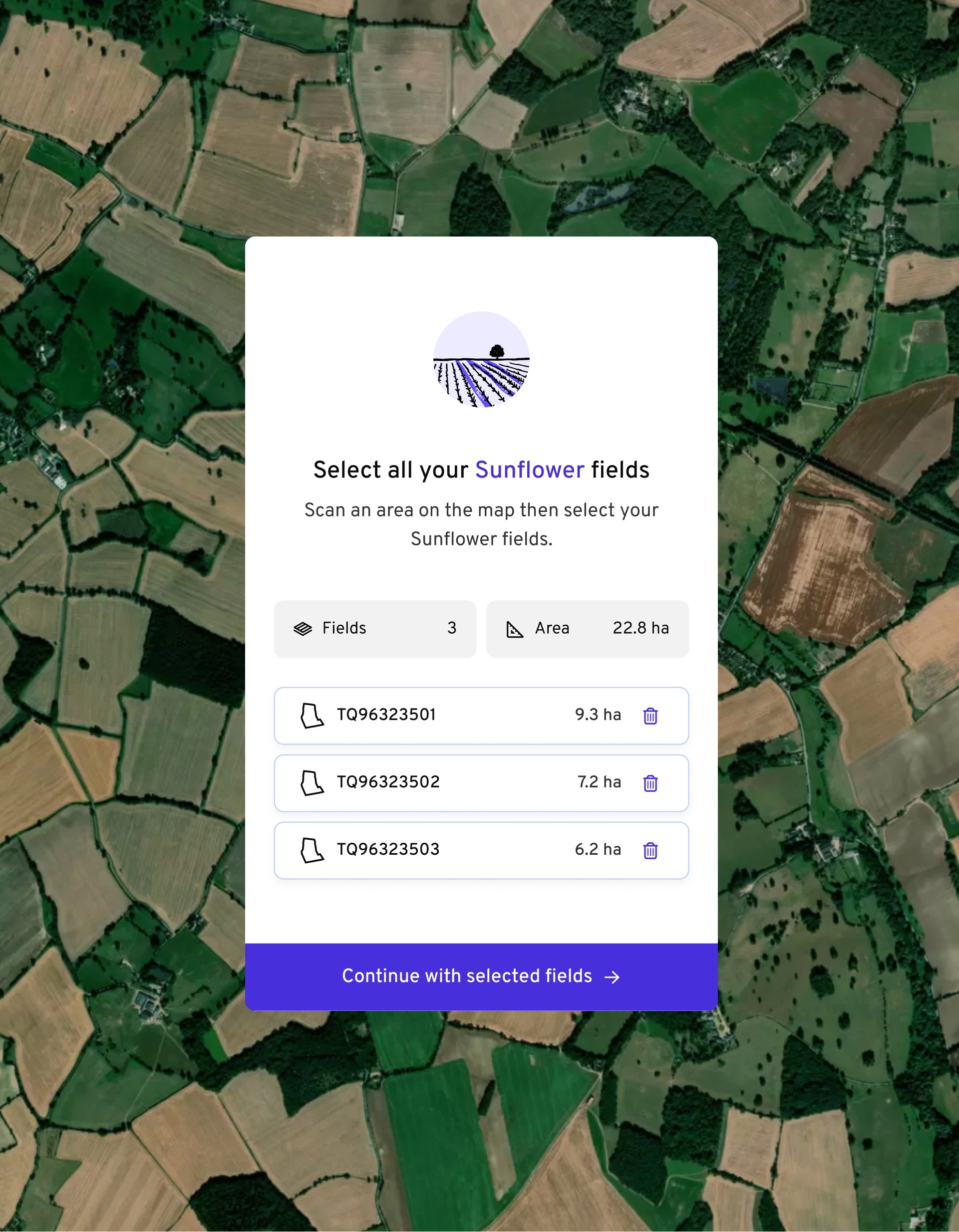
I led the design of AgreenaGro, the platform to turn sustainable practices into extra income. Rather than relying on outbound sales alone, the platform became the conversion mechanism: farmers could onboard independently and getting immediate value through features like Agatha.
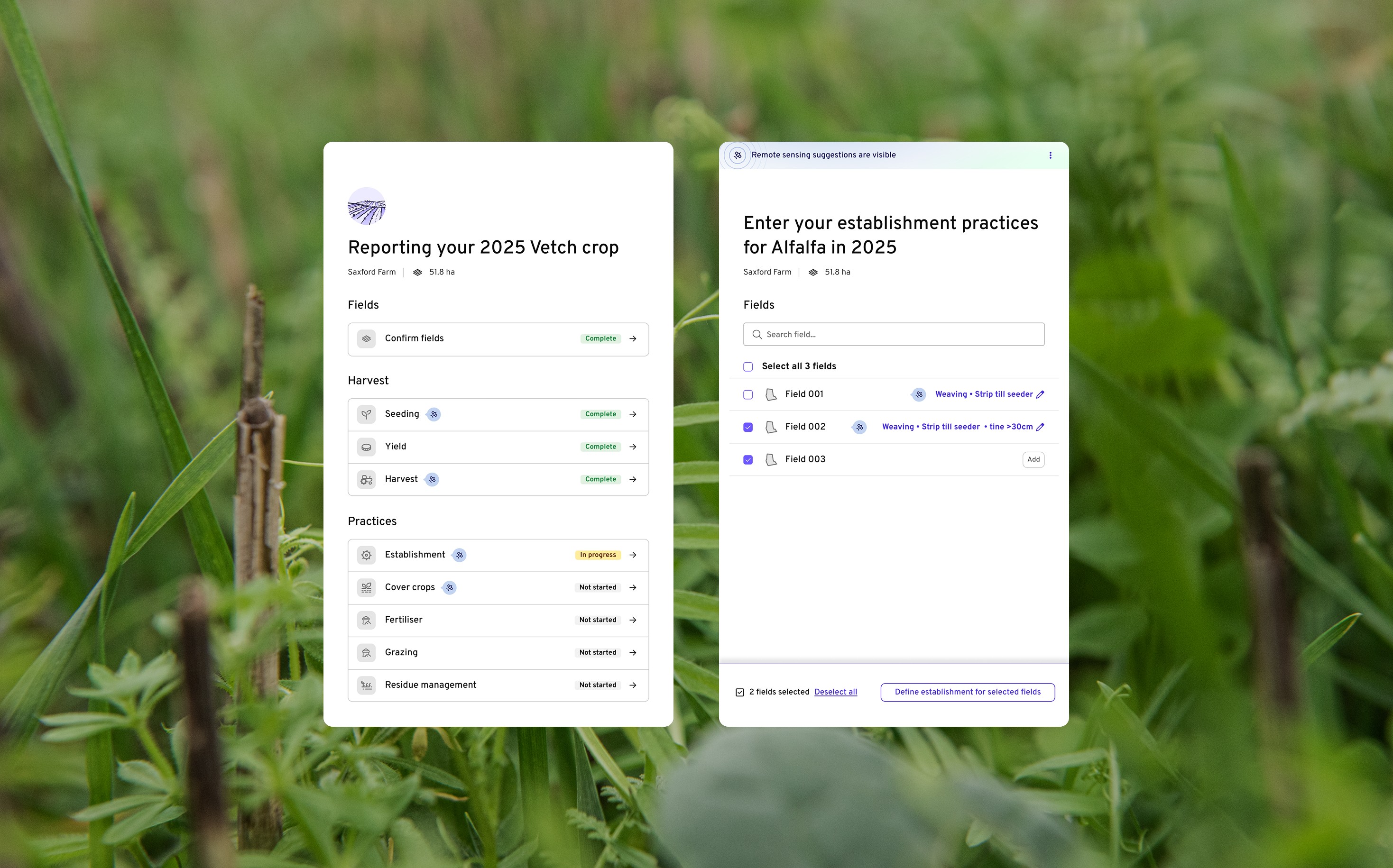
Where onboarding previously required weeks of back-and-forth, it now takes less than three minutes. The same logic extended to data reporting, where we redesigned a workflow that farms had historically needed support to complete. By removing friction at these critical touchpoints, we transformed the cost structure of serving smaller farms, expanding the viable market to serve.


Measurable impact
The outcome
By addressing interconnected needs, we took a systemic approach to develop a self-serve platform that makes regenerative agriculture financially viable and operationally accessible at scale. Design became the bridge between business scalability and meaningful environmental impact, enabling Agreena to serve thousands of farmers across Europe. The outcome: a system where commercial growth and environmental impact reinforce one another.